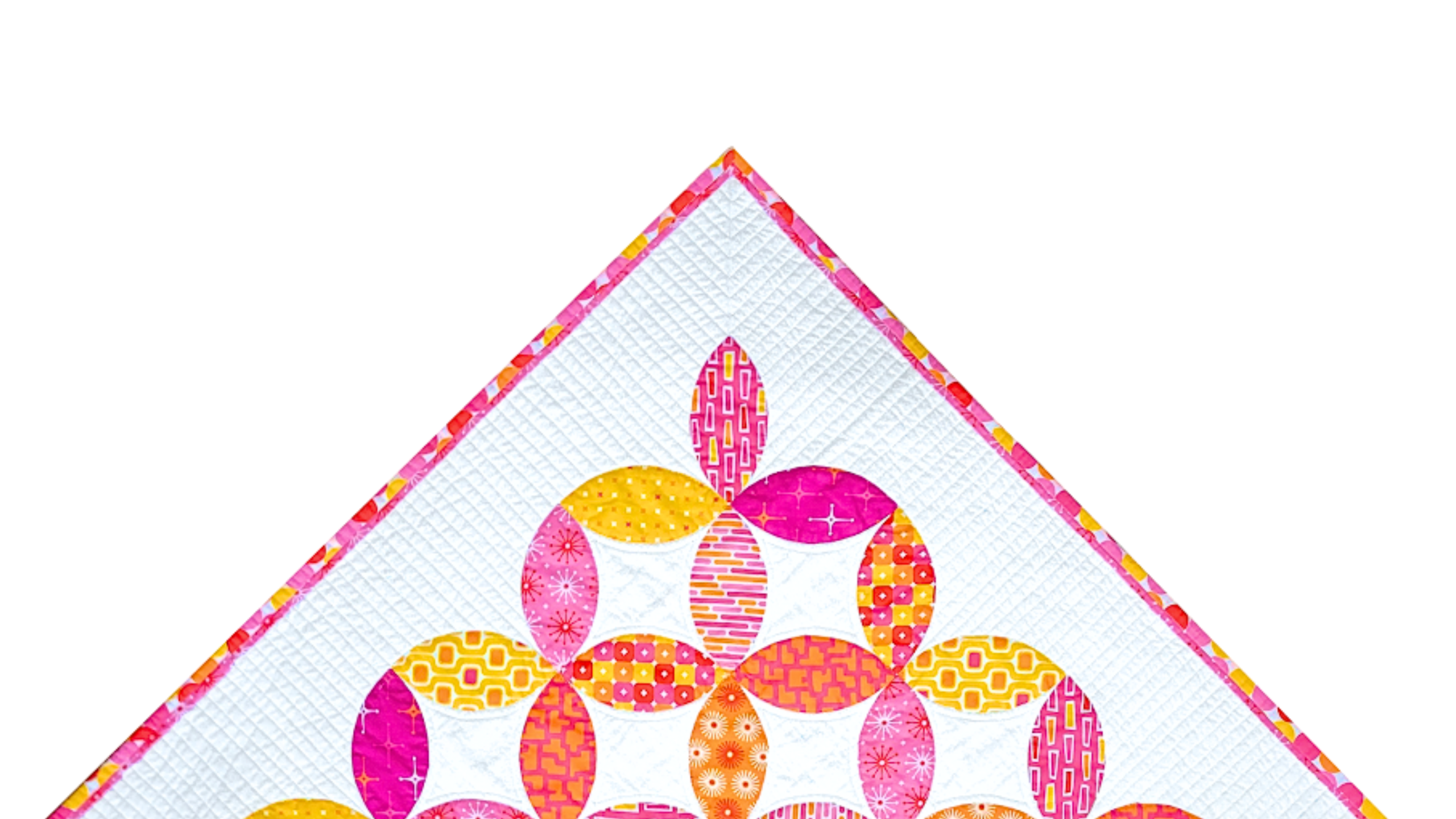
Monofilament – often called “invisible thread”– is one of those quilting topics that can bring up a lot of questions. Some of that hesitation comes from early versions of the thread that really did behave more like fishing line.
But modern monofilament threads are very different – and when they work well, they can be a wonderful tool for both machine appliqué and machine quilting.
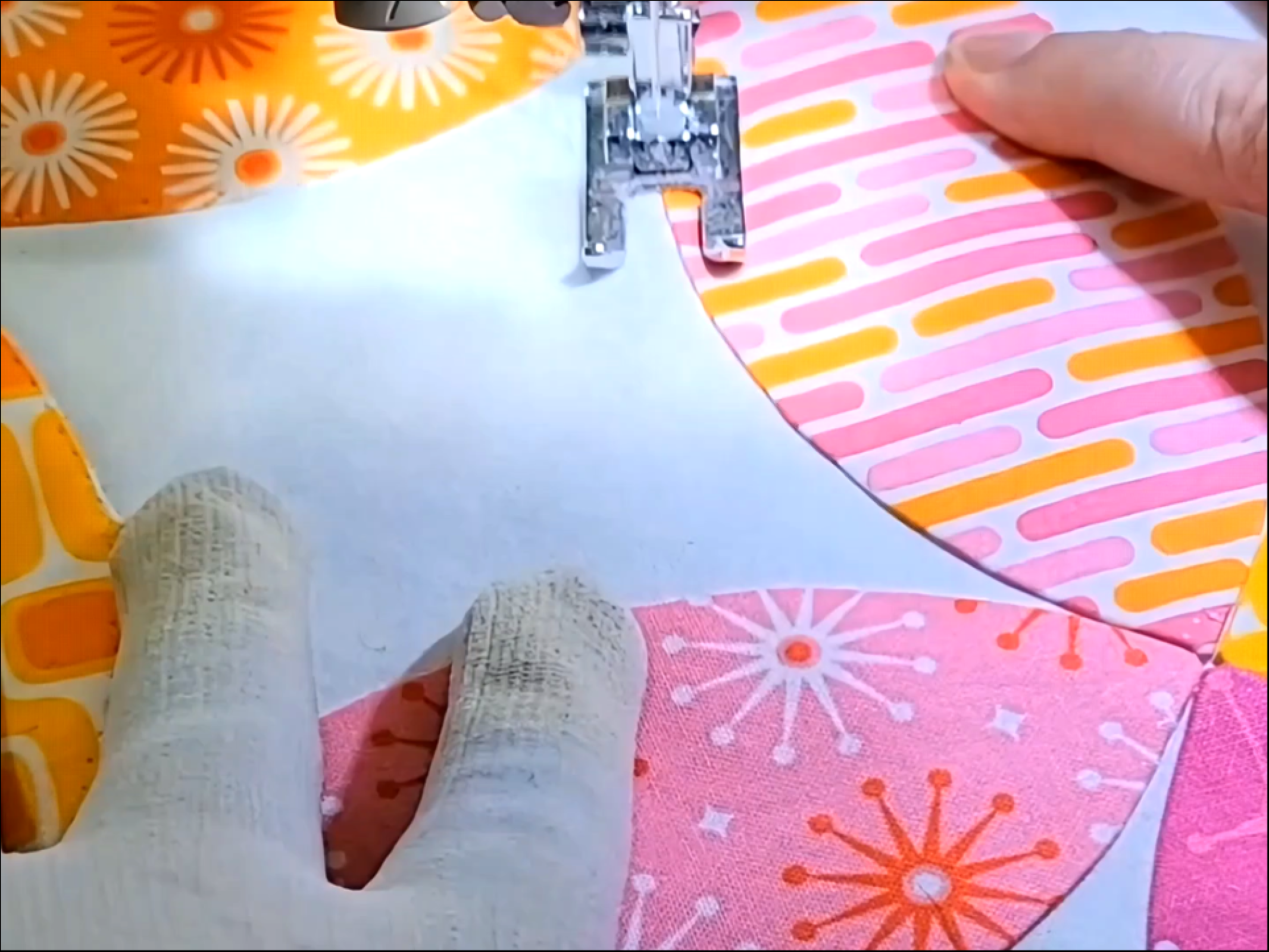
In my newest video, I walk you through:
- How monofilament behaves
- How to set up your machine
- Common troubleshooting fixes
- How I personally use it in real quilts – from bright, modern designs to older quilts that have stood the test of time.
This video isn’t about convincing you to use monofilament. It’s about helping you understand how it behaves, when it’s helpful, and how to decide what works best for you and your machine.
Watch the video:
A Few of My Favorite Products Mentioned (affiliate links):
- Superior Threads MonoPoly
- Aurifil Monofilament
- Superior Threads Topstitch Titanium Coated Needles 70/10
- Schmetz Quilting Needles 75/11
- Wonderfil DecoBob Prewound Bobbins Class 15 – CHECK TO MAKE SURE THEY FIT YOUR MACHINE
And in case you’d like to skip ahead to a specific section of the video, here are the chapters and timestamps:
- 00:00 Introduction to using monofilament or “invisible thread – 3 of my favorite ways
- 01:19 Why would you choose monofilament or “invisible” thread?
- 03:05 Is monofilament thread safe for quilts – and for people?
- 04:30 And how well does it hold up over time?
- 05:11 How should I set up my machine for monofilament thread?
- 08:39 Do I need to adjust the tension settings?
- 09:54 Is polyester monofilament always better than nylon?
- 11:34 What should I use in the bobbin?
- 13:04 I tried it and hated it – what are my alternatives?
- 14:25 Free printable for the Quilting Friends membership
Click here for more information about my Quilting Friends membership – it’s strictly optional, but it really helps keep the channel going!
Happy Quilting!







%20Thread%20for%20Machine%20Appliqué%20and%20Quilting)